
Training Content
Food and Nutrition Standards for Memory Care Residents, Part 2
The content highlights the importance of supporting residents’ independence and utilizing professionals to aid in mealtime, with a focus on healthcare settings. Objectives Understand the importance of supporting independence; Learn how to utilize professionals to aid in mealtime Roles Care Partner; OT; Teacher; Server; Manager; Dietitian; Nurse Departments Clinical; Caregiving; Dining Services; Facilities Maintenance; Special…
Read MoreDo’s and Don’ts for Meal Service, Part 1
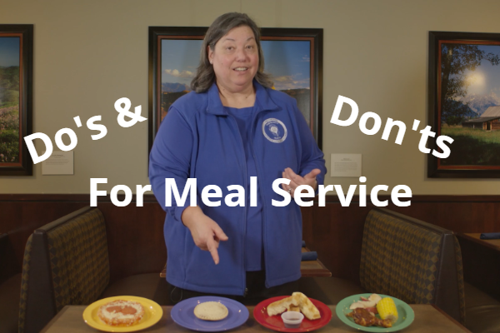
This video provides practical tips and strategies for adapting food preparation to meet the needs of individuals with dementia, which can be applied to various industries. Objectives Understand the importance of adapting food preparation to meet individual needs; Learn practical tips and strategies for adapting food service Roles Chef; Food Service Manager; Nutritionist; Dietitian Departments…
Read MoreDo’s and Don’ts for Meal Service, Part 2
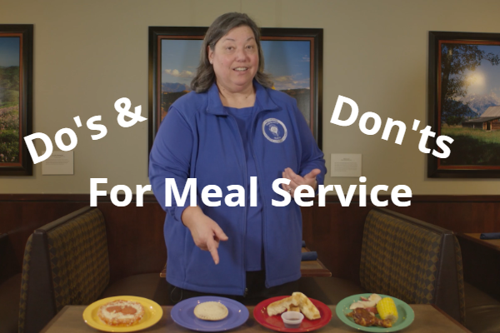
The importance of understanding individual preferences and tailoring services to meet their needs in various settings, including healthcare and non-healthcare industries. Objectives Understand the principles of individualized care and its application in meal planning and service.; Develop skills to tailor services to meet customer-specific needs. Roles Caregivers; Dietitians; Cafeteria staff Departments Foodservice; Environmental Services Industries…
Read MoreThe Positive Physical Approach
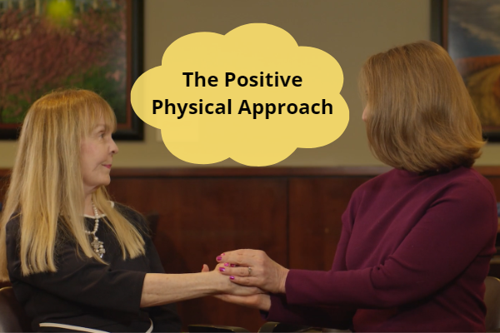
The positive physical approach is a technique for improving interactions between caregivers and residents. It involves using non-verbal cues, such as smiling and gentle touch, to build trust and rapport. Objectives Build trust and rapport with individuals; Improve caregiver-resident interactions Roles Nurses; Case Managers; Teachers; Caregivers; Social Workers; Assistants; Maintenance Staff; Aides Departments Clinical; Caregiving;…
Read MoreWorking Well With Others

This content provides guidance on how to care for individuals with dementia, including the importance of patience, understanding, and communication. Objectives Understand the needs of individuals with dementia; Learn effective communication skills for working with individuals with dementia; Develop strategies for patient education and support Roles Physical Therapist; Recreation Therapist; Chef; Teacher; Occupational Therapist; Dietitian;…
Read MoreDefining Memory Loss
Understanding dementia and its effects on individuals can improve care and support services in various settings. Objectives Understand the different types of dementia and their effects on individuals; Develop caregiving strategies and support services for individuals with dementia Roles Caregivers; Nurses; Teachers; Support Staff Departments Special Education; Caregiving; Clinical; Environmental Services Industries Education; Skilled Nursing;…
Read MoreMemory Loss at Any Level of Care
The training content focuses on dementia care and support, emphasizing the importance of empathy, dignity, and respect in caring for individuals with dementia. Objectives Understand the prevalence and impact of dementia; Develop skills to support individuals with dementia Roles Counselors; Activity Directors; Nurses; Dietitians; Case Managers; Teachers; Cooks; Caregivers; Social Workers; Recreation Therapists Departments Foodservice;…
Read MoreHow Vision Affects Communication

This video focuses on understanding visual impairments and adapting communication strategies to improve interactions with individuals with dementia. It provides a vision exercise to simulate the effects of visual impairment and discusses the importance of being patient, talking slower, and giving opportunities for acknowledgment. Objectives Understand how visual impairments affect communication; Adapt communication strategies to…
Read MoreSequence of Service, Part 2
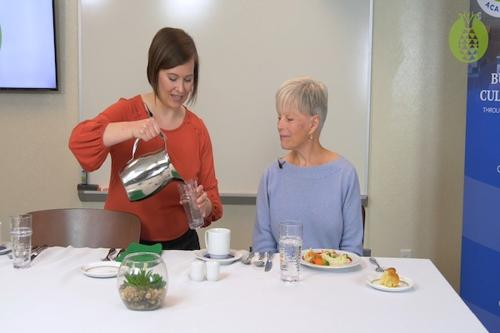
This video focuses on the importance of attention to detail and customer service in foodservice settings, with a focus on servers and dining services. Objectives Demonstrate knowledge of food safety protocols; Provide excellent customer service Roles Sales Associate; Dietary Aide; Server; Host/Hostess Departments Foodservice; Customer Service; Dining Services; Food and Beverage Service; Environmental Services Industries…
Read MoreSequence of Service, Part 3

This content provides a comprehensive guide to providing excellent customer service in a foodservice setting, including anticipating customers’ needs and offering substitutes for meals. Objectives Provide excellent customer service; Anticipate customers’ needs; Offer substitutes for meals Roles Counselor; Chef; Sales Associate; Manager; Server; Advisor Departments Foodservice; Student Services; Customer Service; Food and Beverage Service; Environmental…
Read More