
Posts Tagged ‘Remarkable Academic Foods’
Guide to Proper Labeling for Production

Learn the essentials of proper labeling for food production to ensure safety, organization, and compliance. Key labeling practices include date marking, ingredient identification, and storage guidelines. Objectives Understand the importance of stock labeling for food safety and inventory management.; Learn how to properly label and date opened items. Roles Production Manager; Chef; Quality Assurance Specialist;…
Read MoreCutting Board Practices

A clear and concise guide to essential cutting board practices for maintaining food safety in the kitchen. Learn the best techniques to prevent cross-contamination and keep your meals safe. Objectives Implement color-coded cutting board system; Understand proper handling and storage of ingredients Roles Chefs; Dietitians; Kitchen Staff; Inspectors; Food Service Managers; Line Cooks; Quality Assurance…
Read MoreThermometer Calibration
Ensure food safety by mastering thermometer calibration techniques for accurate temperature readings during cooking, cooling, and holding food. Objectives Understand the importance of thermometer calibration; Learn how to calibrate digital and dial thermometers Roles Farmer; Chef; Quality Assurance Specialist; Teacher; Kitchen Staff; Crop Specialist; Inspector; Lab Technician Departments Foodservice; Farm Operations; Science Labs; Quality Control;…
Read MoreMinimum Internal Cooking Temperatures
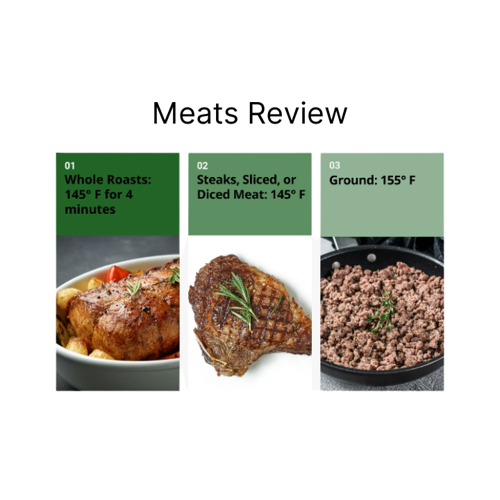
Learn the essential minimum internal cooking temperatures to ensure food safety and prevent foodborne illnesses. Objectives Understand the importance of internal temperature control in food handling; Know the minimum internal temperatures required for different types of food; Apply food safety guidelines to ensure safe cooking practices Roles Cook; Culinarian; Chef Departments Foodservice; Dining Services; Culinary…
Read MoreCorrect Storage Hierarchy
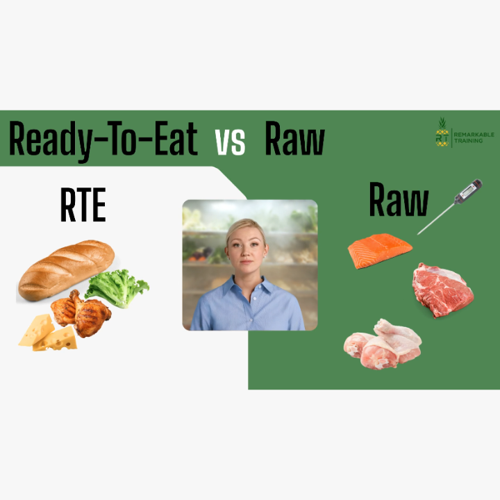
Understand the proper food storage hierarchy to prevent cross-contamination and ensure food safety. Objectives Understand the importance of proper food storage and handling; Identify the correct storage hierarchy for different types of food products Roles Chefs; Quality Assurance Specialists; Kitchen Staff; Inspectors; Store Managers; Event Coordinators; Inventory Specialists; Maintenance Staff; Housekeeping Staff Departments Foodservice; Store…
Read MoreThree-Step Cleaning Process

This is an overview of the three-step cleaning process for food preparation and service areas. It explains washing, rinsing, and sanitizing food-contact surfaces and emphasizes correctly using supplies and other best practices. Objectives Understand the importance of cleanliness in food safety; Learn the correct steps for cleaning and sanitizing food contact surfaces Roles Chefs; Kitchen…
Read MorePreventing Cross-Contamination During Service
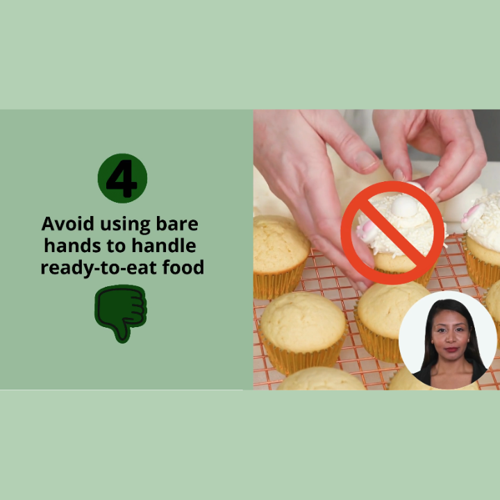
Preventing cross-contamination when serving food involves key practices and precautions that staff should follow to protect the health and safety of guests, such as properly handling serviceware and utensils. Objectives Understand the importance of preventing cross-contamination in food service; Learn key practices to prevent cross-contamination Roles Chefs; Cooking Staff; Kitchen Staff; Cleaning Staff; Quality Assurance…
Read MoreWhen To Wash Hands

Guidance on the appropriate times to wash your hands in order to maintain hygiene and safety in a food service or kitchen environment. It covers key moments when hand washing is critical, such as after using the restroom, handling raw foods, and other contamination risks. Objectives Understand the importance of hand washing in preventing cross-contamination;…
Read MoreEating, Drinking, Smoking, and Chewing
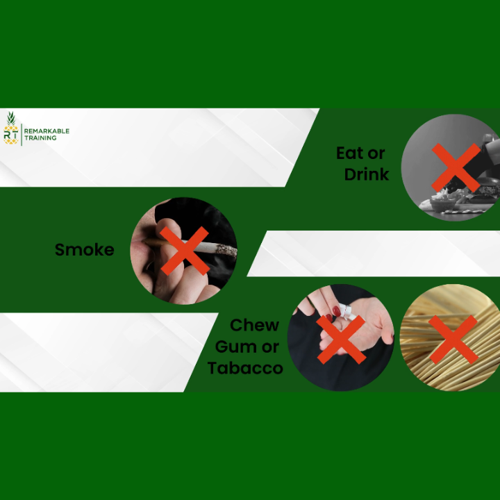
The key points covered include the importance of maintaining hygiene to prevent contamination, the need to only eat, drink, and smoke in designated areas, and the proper handling of drinks and tasting of food in food preparation areas. Objectives Prevent contamination and maintain a safe working environment.; Understand the importance of hygiene standards in food…
Read MoreMastering Customer Service for Captive Audiences

Learn essential customer service skills tailored for captive audiences in non-commercial foodservice settings. This training covers strategies to enhance guest satisfaction, maintain professionalism, and create a positive dining experience for customers who rely on your services daily. Objectives Understand the importance of exceptional service in captive settings; Apply principles of service excellence to improve customer…
Read More