
Training Content
How to Steel and Sharpen a Knife
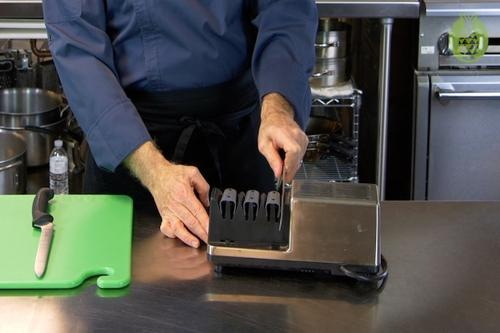
This video teaches viewers how to sharpen and maintain blades, including knives and saws. It covers the use of a steel and an electric sharpener. Objectives Understand the importance of blade maintenance; Learn how to sharpen and hone blades Roles Contractor; Farmer; Chef; Cook; Janitor; Housekeeper; Engineer; Rancher; Carpenter; Mechanic Departments Foodservice; Maintenance; Farming; Carpentry;…
Read MoreWeights and Measurements
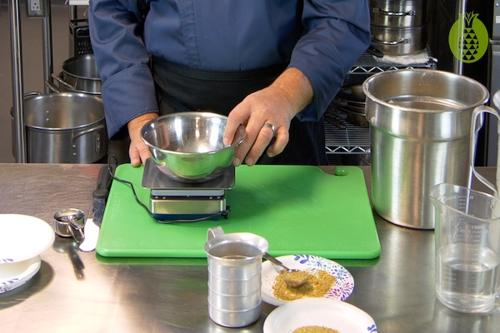
This video focuses on accurate measurement techniques in healthcare, specifically in foodservice and clinical departments. The content is applicable to other industries such as Food Service, Manufacturing, and Education. Objectives Understand the importance of accurate measurement in food preparation; Apply measurement techniques for quality control Roles Teacher; Chef; Cook; Quality Assurance; Inspector; Instructor Departments Foodservice;…
Read MoreParts of a Knife
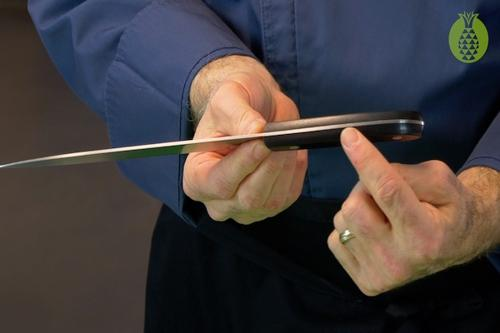
This video teaches the parts of a knife and proper knife handling techniques. Objectives Identify the parts of a knife; Demonstrate proper knife handling techniques Roles Chef; Teacher; Quality Assurance Specialist; Kitchen Staff; Janitorial Staff; Sous Chef; Inspector; Instructor; Housekeeping Staff Departments Foodservice; Home Economics; Quality Control; Culinary Arts; Environmental Services Industries Food Service; Hospitals;…
Read MoreTypes of Knives
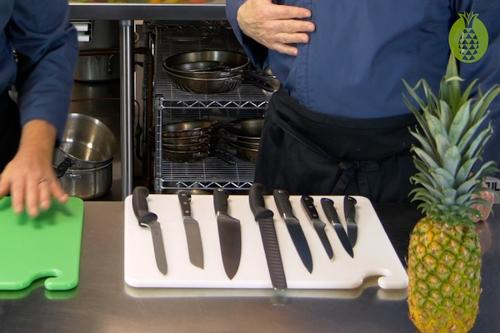
This video covers the types of knives and their uses, essential knowledge for any culinary professional. The content can be applied to various industries, including food service, manufacturing, and education. Objectives Identify different types of knives and their uses; Understand the importance of knife handling and maintenance Roles Chef Instructor; Chef; Cook; Cooking Professor; Quality…
Read MoreWashing Delicate Produce
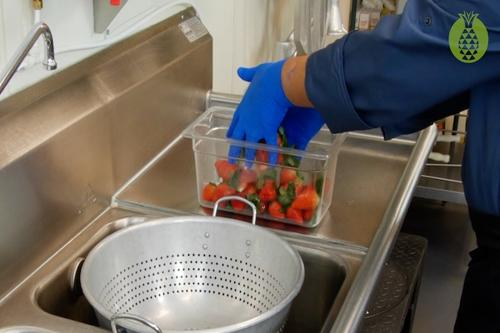
This video provides best practices for washing and handling delicate produce, including berries, in a foodservice or production setting. Objectives Understand the importance of proper produce handling; Learn techniques for washing and sanitizing delicate produce Roles production line workers; quality assurance; food handlers; chefs; line cooks; harvesters; inspectors; farm managers Departments Foodservice; Kitchen Staff; Farm…
Read MoreSetting Up a Workstation
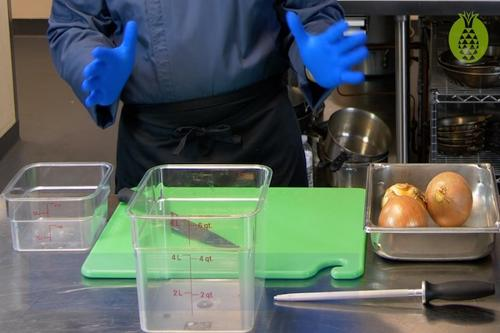
This video discusses the importance of workstation setup and ergonomics in a production kitchen environment, with applications to other industries such as manufacturing, food processing, and construction. Objectives Understand the principles of workstation setup and ergonomics; Apply these principles to improve efficiency and reduce waste Roles Electrician; Chef; Cook; Assembly Line Worker; Carpenter; Quality Control…
Read MoreWashing Produce – Leafy Vegetables

This video provides a clear and detailed process for washing and cleaning leafy vegetables, including the use of vegetable sanitation soaks and salad spinners. Objectives Understand the importance of proper produce preparation in food service; Learn how to wash and clean leafy vegetables using a vegetable sanitation soak Roles Farmer; Prep Cook; Executive Chef; Food…
Read MoreWashing Produce with Hard or Porous Surfaces
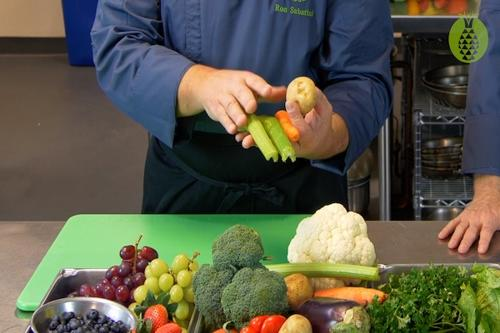
This video provides a comprehensive guide on how to properly clean and sanitize produce, reducing the risk of contamination and foodborne illnesses. Objectives Identify the importance of proper cleaning and sanitizing of produce; Understand the risks associated with contaminated produce Roles Executive Chefs; Farm Managers; Farm Owners; Chef; Sous Chefs; Kitchen Staff; Janitorial Staff; Inspectors;…
Read MoreDo’s and Don’ts in the Kitchen, Part 1
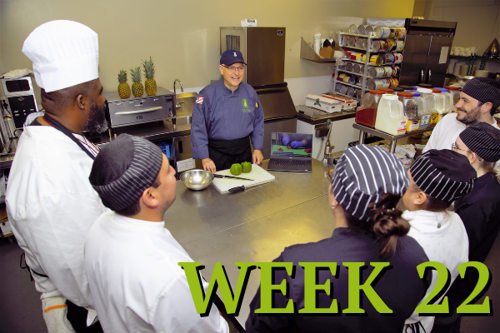
This video provides essential knowledge for maintaining a clean and efficient kitchen environment, emphasizing safety, cleanliness, and efficiency. Objectives Maintain a safe and clean kitchen environment; Improve kitchen efficiency and productivity Roles Chef; Cook; Operator; Supervisor; Server; Sous Chef Departments Production Line; Foodservice; Commercial Kitchen; Cafeteria Industries Food Service; Education; Manufacturing; Healthcare Tags food-safety; kitchen-hygiene;…
Read MoreDo’s and Don’ts in the Kitchen, Part 2
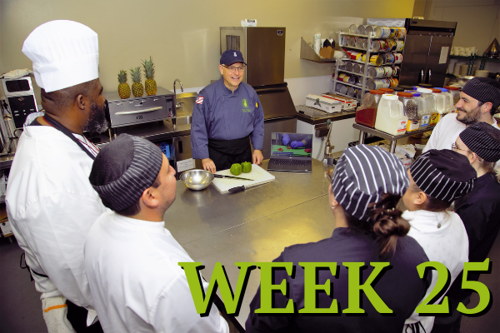
The importance of standardized recipes and kitchen procedures in food service settings, including healthcare, manufacturing, and education. Objectives Understand the benefits of standardized recipes and kitchen procedures.; Apply these principles to improve efficiency and consistency in food service settings. Roles Food Service Manager; Chef; Quality Assurance Specialist; Cook; Janitor; Housekeeper; Dietitian; Inspector Departments Kitchen Management;…
Read More